Impact Architecture
Integrated programmes for dignified livelihoods.
GDTA delivers integrated programmes that build sustainable livelihoods through practical solutions that respond directly to community needs. Each programme is designed to be participatory, locally led, and grounded in evidence. Our circularity programmes empower communities to value sustainability through repair skills, upcycling, and innovation. Our agricultural projects help farmers regenerate the land while adapting to climate change. Our trade initiatives nurture green enterprises and connect them to markets. Our health programmes ensure that people have access to essential wellbeing services and dignity-enhancing support. Through this integrated approach, we create systems that uplift entire communities and sustain impact over time.
Counties
20+
Co-created models scaling across rural Kenya.
Communities
1,800+
Youth, women, and farmer networks supported.
Approach
Systems-led
Training · Services · Advocacy · Partnerships
Mode of operation
The organisation operates through:
- Providing training to individuals and communities.
- Offering services, tools, and materials for sustainable practices.
- Conducting advocacy, awareness, and advisory programs.
- Facilitating partnerships and trade linkages.
- Promoting environmentally conscious, equitable trade.
Services & activities
Integrated delivery channels.
- Community and stakeholder training programmes.
- Technical support, equipment, and resource provision.
- Policy advocacy, awareness creation, advisory services.
- Pilot projects for circular economy & green value chains.
- Research, innovation, and community development partnerships.
Target beneficiaries
Communities we centre.
- Marginalised rural and peri-urban communities.
- Youth and women collectives.
- Smallholder farmers and producer groups.
- Community-based organisations.
- Society at large seeking resilient systems.
Thematic areas
Where circularity, trade, health, and agriculture converge.
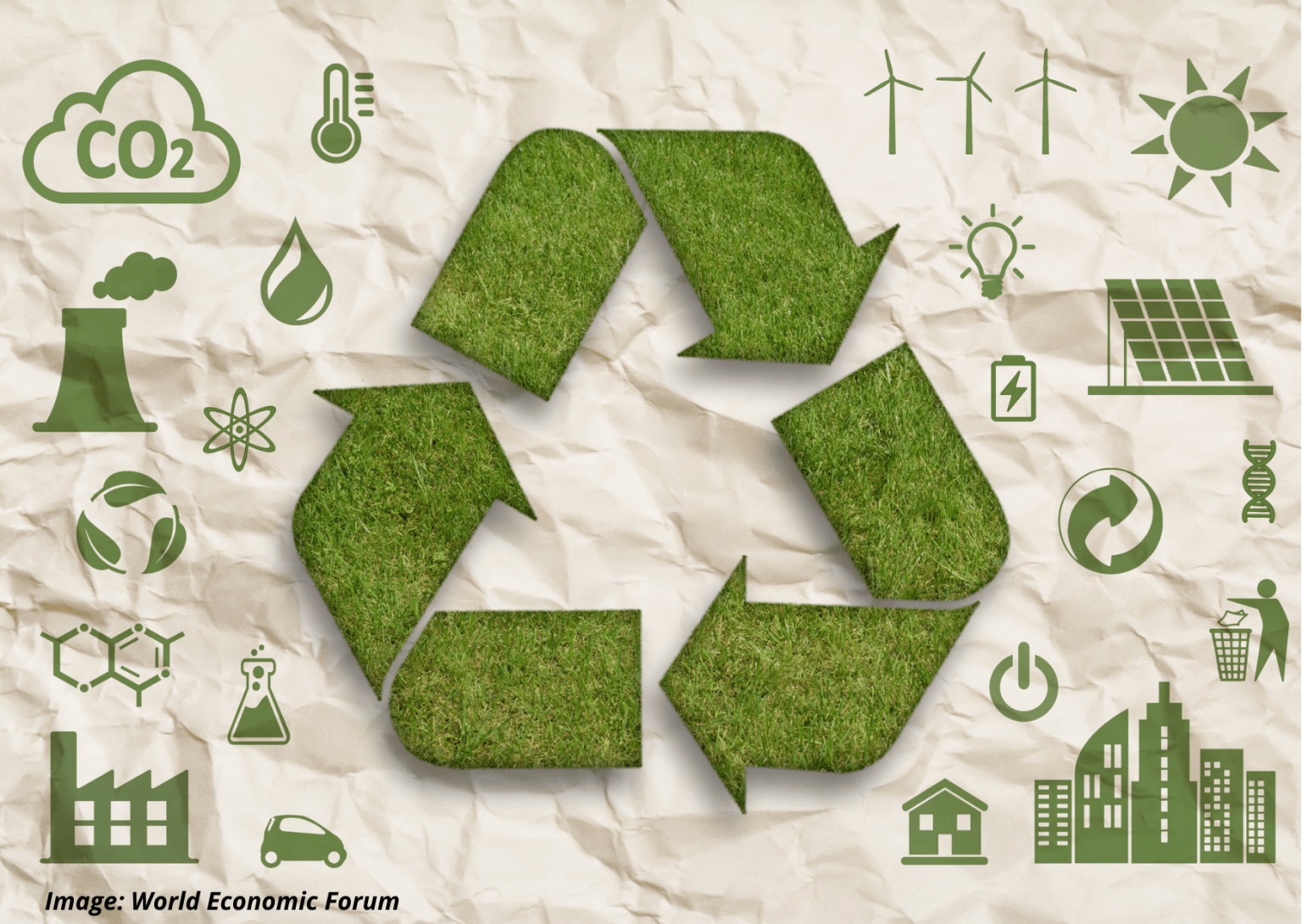
Circularity at GDTA is more than a waste solution it is a philosophy that encourages creativity, environmental responsibility and new forms of livelihood. Kenya generates over 51,000 tonnes of e-waste every year, yet only a small fraction is safely recycled. We work to reverse this by helping communities reimagine waste as a resource. Through school repair labs, youth technician programmes and community circular hubs, we equip people with the skills to repair, reuse, upcycle and innovate. Our combination of technical training and behaviour change makes circularity an accessible, practical and income-enhancing practice that supports a cleaner environment and stronger local economies.
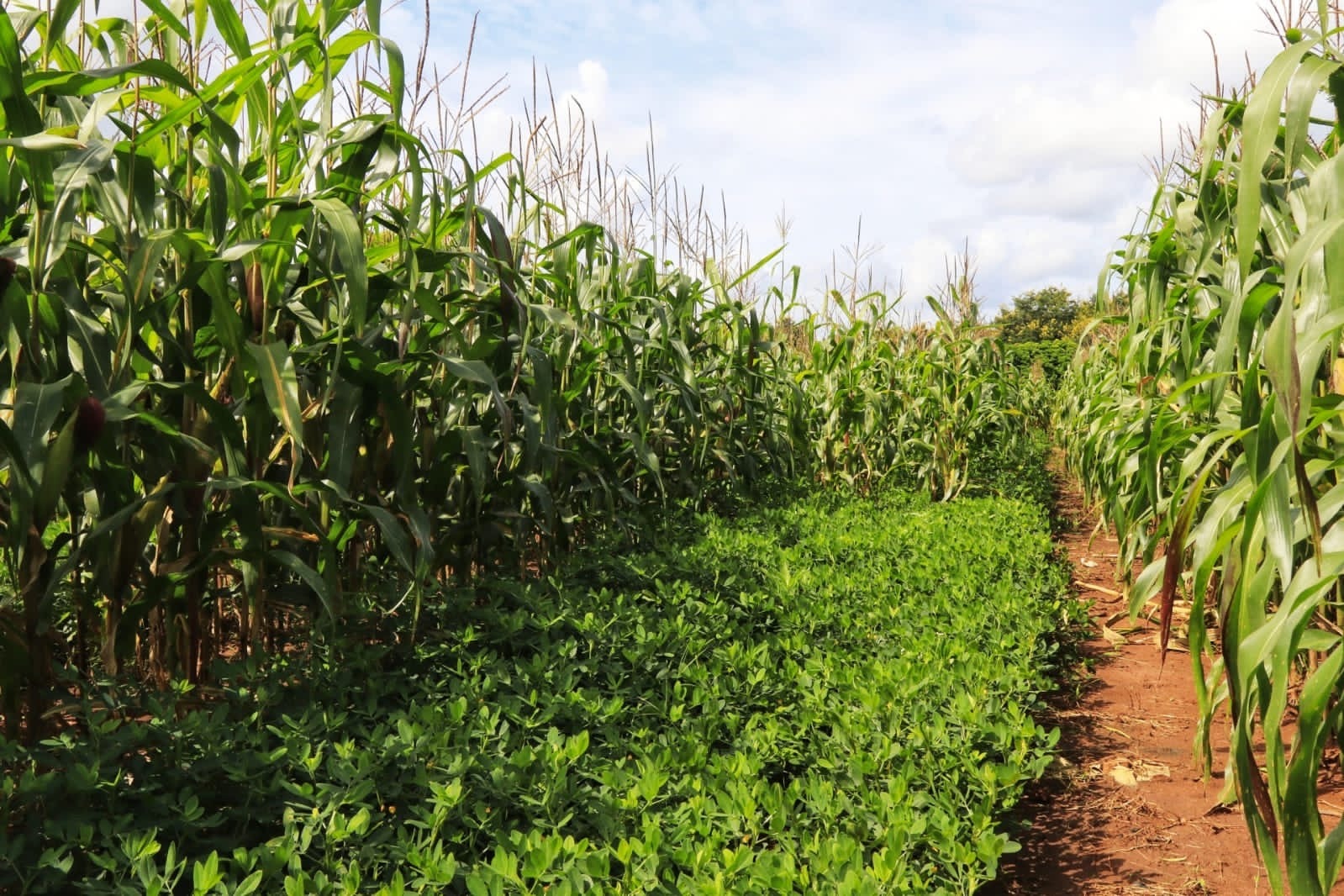
Agriculture is the backbone of rural livelihoods in Kenya, yet it faces increasing threats from climate shocks, declining soil fertility and inefficient systems. GDTA promotes agriculture as a driver of innovation and resilience. Through demonstration farms, regenerative agriculture schools, composting initiatives and training on climate-smart techniques, we help farmers rebuild soil health, improve productivity, and reduce waste. We also strengthen agribusiness capacity by training youth and women to repair tools, add value to their produce and access new markets. In our work, agriculture becomes a pathway to prosperity not just survival.

Sustainable trade provides the bridge between innovation and income. Many small enterprises struggle to navigate complex markets, access finance, or design sustainable business models. GDTA addresses these challenges by mentoring entrepreneurs through our Green Trade Accelerator, supporting them to innovate, grow and connect with ethical and inclusive markets. We work with youth and women to strengthen their business skills, promote environmentally friendly products and navigate evolving green markets. Through this approach, trade becomes a tool for social inclusion, economic empowerment and green growth.

We believe that sustainable livelihoods begin with good health. Limited access to healthcare, sanitation and hygiene undermines community resilience and productivity. To address these barriers, GDTA runs medical camps, dignity and hygiene programmes for adolescent girls, school wellness outreach and community sensitization sessions. We promote preventive care, nutrition awareness, mental health support and environmental health practices. Through these efforts, we restore dignity, improve wellbeing and strengthen communities' capacity to thrive socially and economically.
Flagship initiatives
Programmes translating policy into people-first outcomes.
Green Schools Repair Lab (Kids Edition)
This initiative brings circularity to life in schools by teaching children to repair, reuse, and innovate. Young learners develop problem-solving skills, environmental awareness, and the confidence to imagine sustainable futures.
Circular Demo Farm Initiative
Our demonstration farms are practical learning spaces where farmers explore regenerative agriculture, zero-waste crop production, composting, and climate-smart solutions. These farms serve as hubs for innovation, knowledge exchange, and community resilience building.
Healthy Communities Outreach Programme
Through medical camps, wellness sensitization, and dignity programmes for adolescent girls, we offer essential health support to underserved communities. These outreaches restore dignity, improve wellbeing, and strengthen community capacity to thrive.